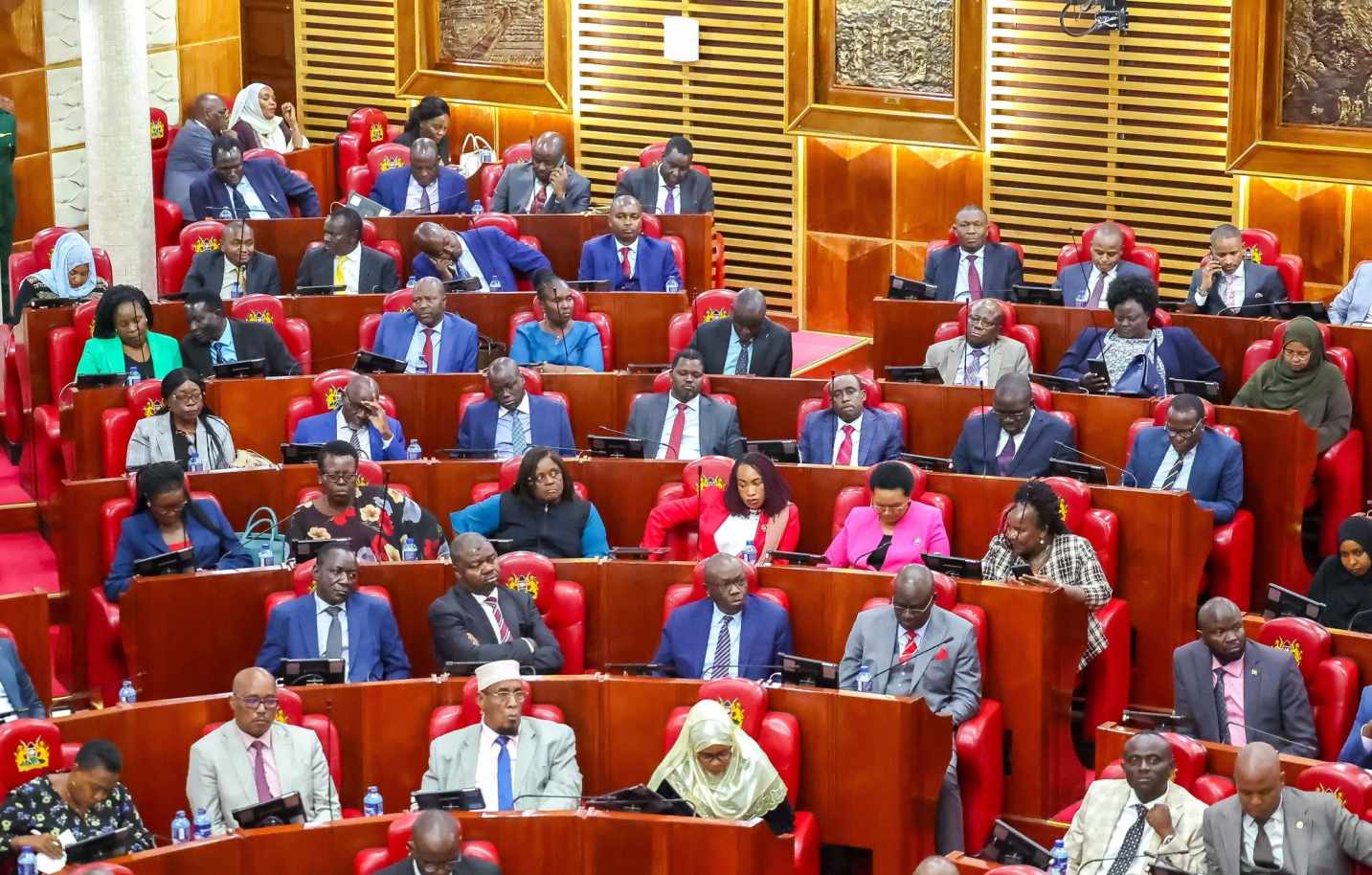
Lawmakers have raised concern over fuel shortages reported in different parts of the country, accusing some petrol station operators of deliberately withholding supplies in anticipation of an upcoming price review.
The National Assembly Committee on Energy now wants the Energy and Petroleum Regulatory Authority to move in quickly, inspect stations, and take action against any dealers found to be hoarding fuel.
The committee insists that the regulator must go beyond office reports and carry out physical checks at petrol stations to establish whether the shortage being experienced by motorists is genuine or artificially created.
“Epra has a responsibility to tell us more about the fuel shortage. It should take action against the stations and withdraw their licences,” committee chairman David Gikaria said.
Members of the committee further called for strict enforcement, saying stations suspected of holding back fuel should be closed without delay.
“The authority should burn the midnight oil. It’s not enough to tell us that there is fuel. It should walk into these petrol stations with officers, check the actual petrol they have, and if they have enough but are hoarding, shut them down.”
Some MPs argued that certain dealers are deliberately controlling supply in order to benefit from expected price changes.
“I have been in this industry for 15 years. I know dealers have enough stock but are waiting for the right price before selling,” Bomachoge Borabu MP Obadiah Barongo said.
The committee said Epra already has access to fuel stock data from suppliers and distributors, and should therefore be able to confirm whether the shortage affecting the country is real or driven by market manipulation. It has directed the regulator to present a detailed report on fuel availability at station level next week.
The concerns emerged after Energy Cabinet Secretary James Opiyo failed to appear before the committee on Thursday, where he had been expected to respond to questions on the ongoing fuel situation.
“It is sad that we don’t have answers for Kenyans on the fuel crisis because the minister failed to appear before this committee on such an important matter,” Gikaria said.
Embakasi South MP Julius Mawathe said the situation is already affecting citizens, with motorists forced to spend long hours in queues to access fuel.
“People are actually queuing at petrol stations for fuel,” added Embakasi South MP Julius Mawathe.
The committee has now summoned Epra Director-General Joseph Oketch, officials from the Kenya Revenue Authority, and Energy Cabinet Secretary Opiyo Wandayi to appear before it on Tuesday next week over the escalating situation.
The shortages reported in several regions have been linked to global supply disruptions, largely driven by tensions in the Middle East following the conflict involving the United States, Israel, and Iran. Although a ceasefire was announced earlier, continued attacks in parts of Lebanon have kept global oil markets unstable, affecting supply chains.
Independent fuel dealers have been among the most affected, with small stations in rural areas reporting reduced deliveries and pressure in meeting demand.
Despite the disruptions, government officials have maintained that the country has adequate fuel stocks.
However, industry players under the United Energy and Petroleum Association have disputed the pricing framework used in the latest review, saying it does not reflect current market realities.
“The prices set by Epra are no longer sustainable. Fuel dealers are, therefore, left with one option: to halt sales unless the authority urgently reviews its pricing criteria for this month,” Ms Kimathi said.
She added that many dealers are currently operating under losses, with their working capital being depleted daily.
“If our customers are to continue receiving fuel, then prices must reflect the actual market cost.”
The association has also urged a review of the country’s fuel supply system and stronger strategic reserves to cushion against future shocks. It warned that without urgent changes, fuel availability at stations could continue to worsen.